
⟢ 4Cs of Diamonds ⟣
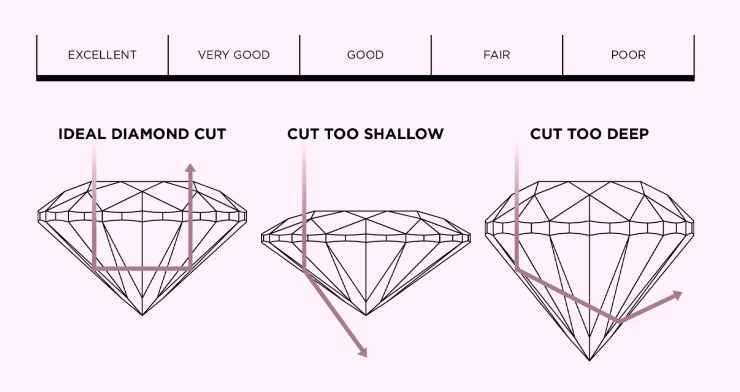
CUT
Cut is considered the most important of the 4Cs because it directly affects a diamond’s brilliance and sparkle. It refers to how well the diamond’s facets interact with light. A well-cut diamond reflects light internally from one facet to another and disperses it through the top of the stone, giving it exceptional brightness. Cut grades range from Excellent to Poor and take into account proportions, symmetry, and polish. Even a high-quality diamond can appear dull if poorly cut.
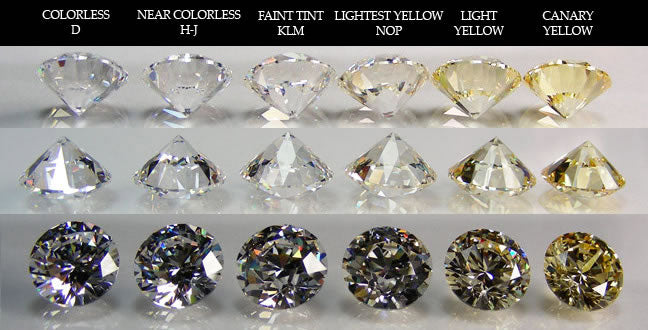
COLOR
Color in diamonds actually refers to the lack of color. The less color a diamond has, the higher its quality. The Gemological Institute of America (GIA) grades diamond color on a scale from D (colorless) to Z (light yellow or brown). Completely colorless diamonds (D-F) are extremely rare and valuable. Subtle color differences can significantly impact the diamond’s price, though many near-colorless diamonds (G-J) still appear colorless to the untrained eye.
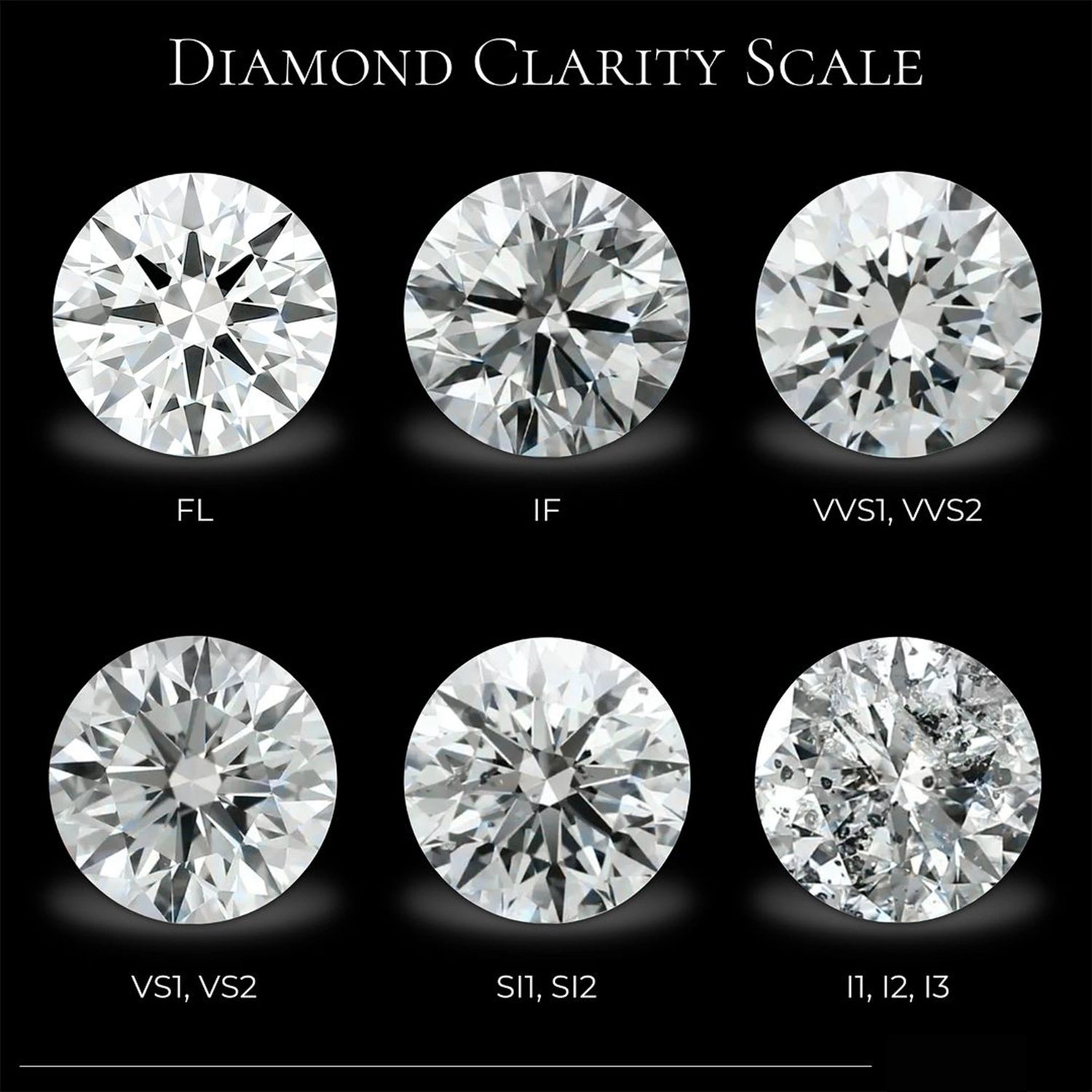
CLARITY
Clarity measures the presence of internal flaws (inclusions) and external blemishes in a diamond. The GIA clarity scale ranges from Flawless (FL) to Included (I1-I3). Most diamonds have tiny imperfections that are not visible without magnification. Diamonds with fewer or less visible inclusions are more valuable. However, many slightly included diamonds still look flawless to the naked eye and offer great value.
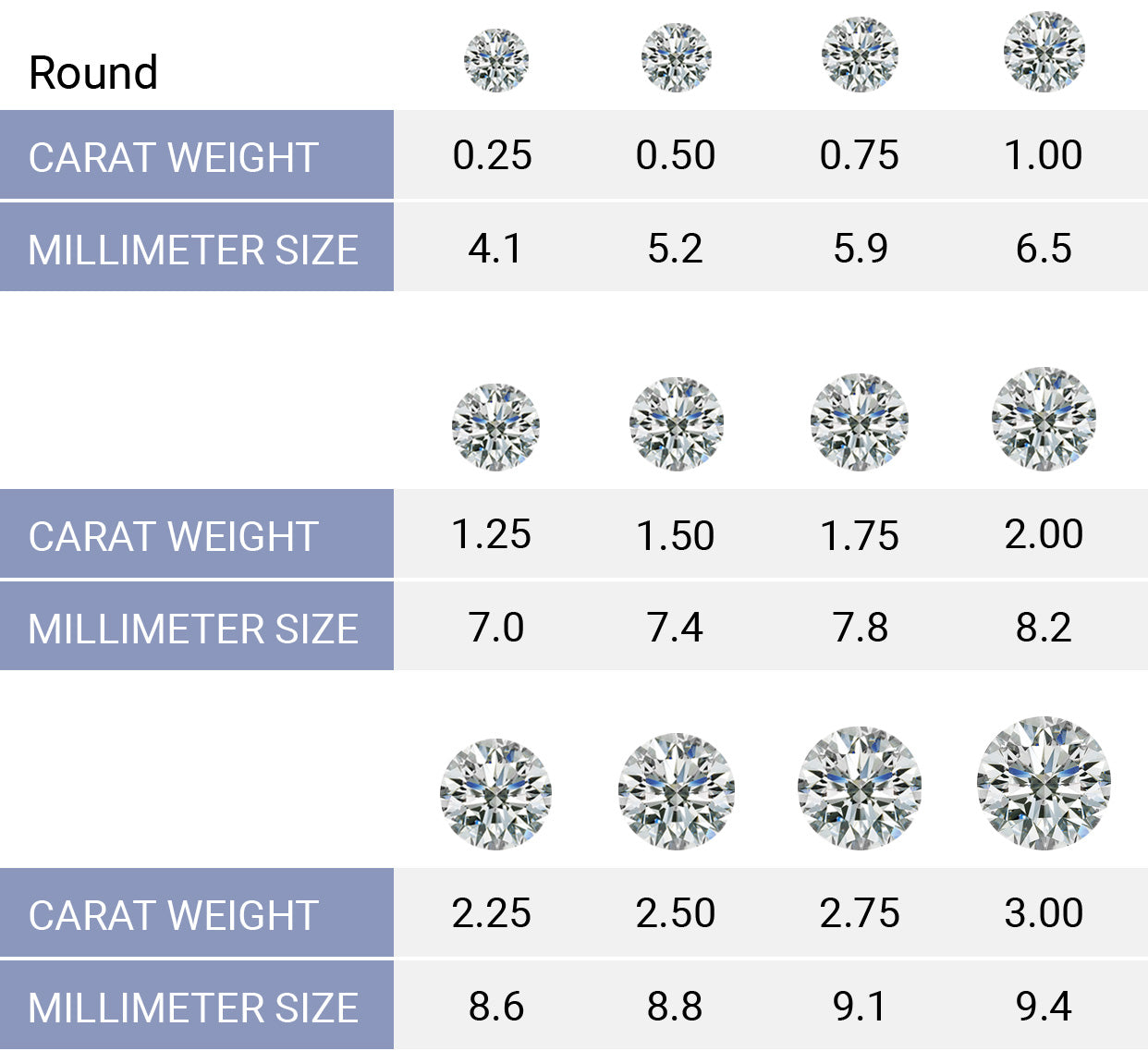
CARAT
Carat Weight indicates how much a diamond weighs. One carat equals 0.20 grams and is divided into 100 points (so a 0.50 carat diamond is 50 points). While larger diamonds are rarer and more valuable, carat weight alone doesn't determine a diamond’s worth cut, color, and clarity all play vital roles. Two diamonds of equal carat weight can differ significantly in price depending on their quality in the other three Cs.